
Understanding Clear Tempered Glass: A Versatile Material for Modern Architecture
Release Time:
2025-12-12
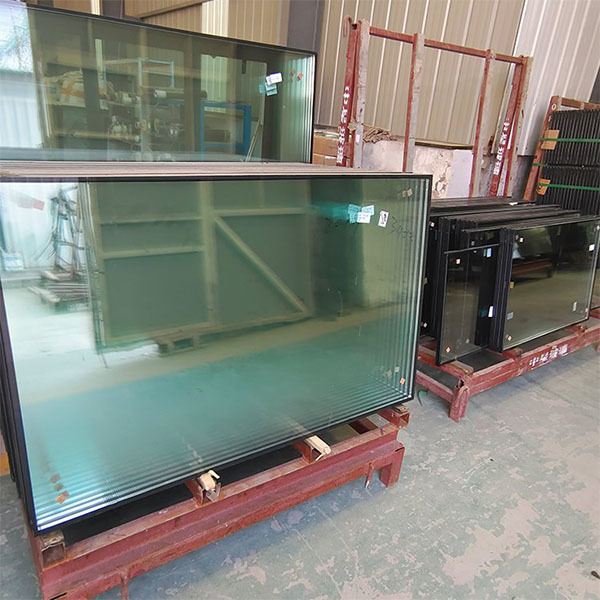
Clear tempered glass, often referred to as toughened glass, has become a staple in modern architecture and design due to its remarkable strength and versatility. This type of glass is created through a process of extreme heating and rapid cooling, which increases its durability compared to standard glass. This unique manufacturing process not only enhances its strength but also alters its thermal
One of the primary advantages of clear tempered glass is its safety features. In the event of breakage, it shatters into small, blunt pieces rather than sharp shards, significantly reducing the risk of injury. This quality makes it an ideal choice for various applications, especially in buildings where safety is a priority, such as glass doors, windows, and partitions.
In addition to safety, clear tempered glass offers excellent optical clarity, allowing for unobstructed views and abundant natural light. This characteristic is particularly desirable in residential and commercial designs that prioritize aesthetics and openness. Architects appreciate the clean lines and modern look that clear tempered glass brings to their projects, whether it’s used in facades, skylights, or interior dividers.
Furthermore, clear tempered glass is highly customizable. It can be produced in various thicknesses and sizes to meet specific project requirements. Additionally, it can be treated with coatings for enhanced energy efficiency or UV protection, making it even more versatile. This adaptability allows designers to incorporate clear tempered glass into a wide range of architectural styles, from contemporary to traditional.
Another important aspect to consider is the environmental impact of clear tempered glass. Many manufacturers now focus on sustainable practices, producing glass that can be recycled at the end of its life cycle. This commitment to sustainability aligns well with modern building standards and helps architects achieve green certification for their projects.
When it comes to installation, clear tempered glass requires careful handling and professional expertise. Its strength comes with the necessity for proper support and framing to ensure safety and longevity. Working with experienced professionals in the construction and decorative materials industry is essential to maximize the benefits of using clear tempered glass.
In summary, clear tempered glass is a valuable material in the building and decorative materials sector, known for its strength, safety, and aesthetic appeal. Its versatility enables it to be used in various applications, making it a favored choice among architects and designers seeking to create striking and functional spaces. Whether used in residential, commercial, or public buildings, clear tempered glass continues to be a transformative element in modern architecture.


CONTACT US
We Ensure Strict Quality Inspection For Every Shipment, Guaranteeing Products That Meet The Highest Industry Standards.
Tel
Address
West of Jiushan Top Road and south of Lanhe Street, Jingjin Zhouhe Science and Technology Industrial Park, Jizhou District, Tianjin City (10 meters away from Lanhe Street)
GET MORE PRODUCTS
We will get in touch with you as soon as possible.
Copyright ©
Tel:
E-mail:
WhatsApp:
启用全局默认滚动动画 (向上滚动)
图片alt标题设置: TianJin XSH Glass Co., Ltd
表单验证提示文本: Content cannot be empty!
循环体没有内容时: Sorry,no matching items were found.
CSS / JS 文件放置地