
Exploring the Benefits of Thermal Insulation Glass in Modern Architecture
Release Time:
2025-12-09
Exploring the Benefits of Thermal Insulation Glass in Modern Architecture Table of Contents Introduction to Thermal Insulation Glass What is Thermal Insulation Glass? Key Benefits of Thermal Insulation Glass Energy Efficiency Comfort and Aesthetics Environmental Impact Durability and Maintenance Applications in Mode
Exploring the Benefits of Thermal Insulation Glass in Modern Architecture
Table of Contents
- Introduction to Thermal Insulation Glass
- What is Thermal Insulation Glass?
- Key Benefits of Thermal Insulation Glass
- Applications in Modern Architecture
- Case Studies of Thermal Insulation Glass
- Choosing the Right Thermal Insulation Glass
- The Future of Thermal Insulation Glass
- Frequently Asked Questions
- Conclusion
Introduction to Thermal Insulation Glass
In the realm of modern architecture, **thermal insulation glass** has emerged as a pivotal component in building design. This innovative material not only enhances the aesthetic appeal of structures but also significantly improves their energy efficiency. As we delve deeper into the myriad benefits of thermal insulation glass, it becomes evident that this technology is vital for architects and builders aiming to create sustainable, comfortable, and visually striking buildings.
What is Thermal Insulation Glass?
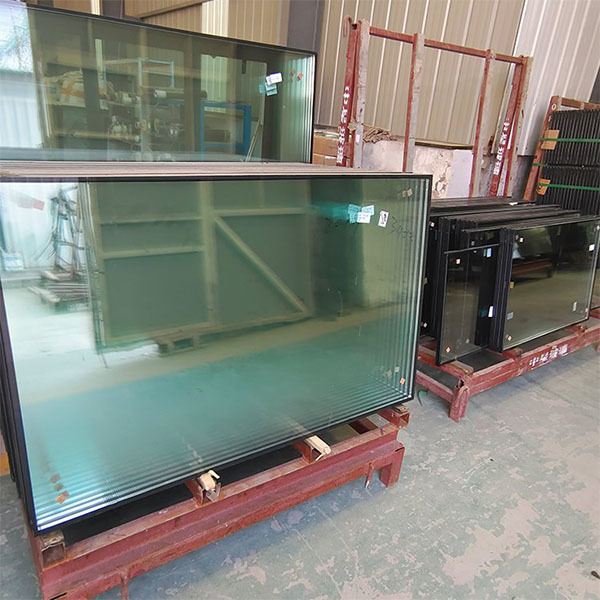
Thermal insulation glass, often referred to as **insulated glass units (IGUs)**, comprises two or more glass panes separated by a spacer and sealed to create an airspace. This design drastically reduces heat transfer between the interior and exterior, thereby enhancing the thermal performance of buildings. The airspace is typically filled with inert gases like argon or krypton to further improve insulation. This glass is available in various styles and finishes, making it a versatile choice for modern architecture.
Key Benefits of Thermal Insulation Glass
Energy Efficiency
One of the most compelling advantages of thermal insulation glass is its **energy efficiency**. By minimizing heat loss during winter and reducing heat gain during summer, this glass can significantly lower heating and cooling costs. Buildings equipped with thermal insulation glass often have reduced dependency on HVAC systems, leading to substantial energy savings over time. Studies have shown that using insulated glass can reduce energy consumption by up to 30%, making it a smart choice for environmentally conscious designs.
Comfort and Aesthetics
In addition to energy efficiency, thermal insulation glass greatly enhances the comfort of indoor spaces. By maintaining consistent temperatures and reducing drafts, occupants enjoy a more pleasant living or working environment. Moreover, the aesthetic possibilities are endless; whether used in expansive windows, curtain walls, or skylights, thermal insulation glass allows for abundant natural light while minimizing glare and UV exposure. This combination of functionality and beauty makes it an ideal choice for architects aiming to create inviting spaces.
Environmental Impact
As the world becomes increasingly focused on sustainability, the **environmental impact** of building materials cannot be overlooked. Thermal insulation glass significantly contributes to green building initiatives by reducing overall energy consumption and lowering carbon footprints. Additionally, many manufacturers of thermal insulation glass prioritize sustainable production processes and recyclable materials, further enhancing their eco-friendly credentials. By choosing thermal insulation glass, architects and builders can support sustainable development goals and contribute to a healthier planet.
Durability and Maintenance
Durability is another significant advantage of thermal insulation glass. It is designed to withstand various environmental conditions, including extreme temperatures, moisture, and UV exposure. The sealed unit prevents condensation between the panes, mitigating the risk of mold and mildew. Furthermore, the maintenance of thermal insulation glass is minimal; a simple cleaning routine with non-abrasive materials keeps the glass looking pristine without the need for special treatment or sealants.
Applications in Modern Architecture
The applications of thermal insulation glass in modern architecture are vast and varied. It is widely used in residential, commercial, and institutional buildings alike. From large-scale office complexes to cozy homes, thermal insulation glass can be tailored to meet specific needs.
In residential settings, it is often utilized for **energy-efficient windows** that maximize natural light while minimizing heat loss. In commercial buildings, **curtain walls** made from thermal insulation glass not only provide stunning views but also help create a comfortable work environment. Schools and hospitals benefit from the reduced noise levels that insulated glass offers, ensuring a conducive atmosphere for learning and healing.
Case Studies of Thermal Insulation Glass
Several landmark projects demonstrate the effective use of thermal insulation glass in modern architecture.
One notable example is the **One World Trade Center** in New York City. This iconic structure incorporates high-performance thermal insulation glass that contributes to its energy efficiency while maintaining its striking aesthetic. The glass facade not only reflects the changing skyline but also provides insulation against the harsh New York winters.
Another excellent case is the **Burj Khalifa** in Dubai, which utilizes thermal insulation glass to manage the intense heat of the desert climate. The building’s design incorporates energy-efficient glazing, contributing to its status as one of the most sustainable skyscrapers in the world.
These examples illustrate how thermal insulation glass can be effectively implemented in various architectural styles and climates.
Choosing the Right Thermal Insulation Glass
Selecting the appropriate thermal insulation glass involves several considerations. Key factors include the **U-value**, which measures the rate of heat transfer, and the **SHGC (Solar Heat Gain Coefficient)**, indicating how much solar radiation passes through the glass.
For optimal results, architects and builders should consult with manufacturers to determine the best type of thermal insulation glass for their specific projects. Factors such as local climate, building orientation, and energy efficiency goals will all play a role in this decision-making process.
The Future of Thermal Insulation Glass
As technology continues to evolve, the future of thermal insulation glass looks promising. Innovations such as **smart glass**, which can change its properties based on environmental conditions, are becoming increasingly popular. This evolution holds the potential to enhance energy management and provide even greater comforts, making thermal insulation glass an exciting frontier in modern architecture.
Furthermore, ongoing research into the sustainability of glass production promises to make thermal insulation glass even more eco-friendly in the coming years. The integration of advanced coatings and materials can enhance performance while minimizing environmental impact, aligning with the global push for greener building practices.
Frequently Asked Questions
1. What is thermal insulation glass?
Thermal insulation glass is a type of glass that consists of two or more panes separated by a spacer to reduce heat transfer, improving the energy efficiency of buildings.
2. How does thermal insulation glass improve energy efficiency?
By minimizing heat loss in winter and reducing heat gain in summer, thermal insulation glass lowers the need for heating and cooling, ultimately leading to reduced energy costs.
3. What are the aesthetic benefits of using thermal insulation glass?
Thermal insulation glass allows for abundant natural light while minimizing glare and UV exposure, enhancing the visual appeal of buildings and creating inviting spaces.
4. Is thermal insulation glass durable?
Yes, thermal insulation glass is designed to withstand various environmental conditions, making it a long-lasting choice for modern architecture with minimal maintenance requirements.
5. How do I choose the right thermal insulation glass for my project?
Consider factors such as U-value, SHGC, local climate, and building orientation. Consulting with manufacturers can help determine the best options for your specific needs.
Conclusion
In summary, thermal insulation glass plays a transformative role in modern architecture, offering a multitude of benefits ranging from energy efficiency to aesthetic appeal and environmental sustainability. As architects and builders strive to create innovative, sustainable designs, the incorporation of thermal insulation glass will undoubtedly remain a popular choice. Its ability to enhance comfort, reduce energy costs, and support eco-friendly practices makes thermal insulation glass not just a trend but a fundamental aspect of contemporary building design. Embracing this technology leads to improved living and working environments while also contributing to a sustainable future for our planet.


CONTACT US
We Ensure Strict Quality Inspection For Every Shipment, Guaranteeing Products That Meet The Highest Industry Standards.
Tel
Address
West of Jiushan Top Road and south of Lanhe Street, Jingjin Zhouhe Science and Technology Industrial Park, Jizhou District, Tianjin City (10 meters away from Lanhe Street)
GET MORE PRODUCTS
We will get in touch with you as soon as possible.
Copyright ©
Tel:
E-mail:
WhatsApp:
启用全局默认滚动动画 (向上滚动)
图片alt标题设置: TianJin XSH Glass Co., Ltd
表单验证提示文本: Content cannot be empty!
循环体没有内容时: Sorry,no matching items were found.
CSS / JS 文件放置地