
Transform Your Space: The Incredible Benefits of Using Tinted Glass in Architecture
Release Time:
2025-11-17
Transform Your Space: The Incredible Benefits of Using Tinted Glass in Architecture Table of Contents What is Tinted Glass? The History of Tinted Glass in Architecture Benefits of Using Tinted Glass in Architecture Energy Efficiency Aesthetic Appeal UV Protection Privacy and Security Noise Reduction
Transform Your Space: The Incredible Benefits of Using Tinted Glass in Architecture
Table of Contents
- What is Tinted Glass?
- The History of Tinted Glass in Architecture
- Benefits of Using Tinted Glass in Architecture
- Types of Tinted Glass Available
- Applications of Tinted Glass in Modern Architecture
- Tinted Glass and Sustainability
- Installation and Maintenance of Tinted Glass
- Frequently Asked Questions
What is Tinted Glass?
Tinted glass refers to glass that has been treated or coated to reduce the amount of light and heat that passes through it. Achieved through various methods, including the addition of pigments during the manufacturing process or post-production coatings, tinted glass serves a multitude of purposes in architectural applications. The primary goal is to improve comfort, control glare, and enhance the overall aesthetics of a building.
The History of Tinted Glass in Architecture
The use of tinted glass can be traced back to ancient civilizations, where colored glass was employed in windows and decorative elements. However, the modern use of tinted glass began in the mid-20th century when architects and designers recognized its potential in improving energy efficiency and aesthetics in buildings. As technology advanced, the variety and quality of tinted glass options expanded, making it a popular choice in contemporary architecture. Today, tinted glass is an integral part of building design, combining functionality with visual appeal.
Benefits of Using Tinted Glass in Architecture
Energy Efficiency
One of the most significant benefits of tinted glass is its ability to enhance energy efficiency. By reducing solar heat gain, tinted glass can help maintain a comfortable indoor temperature, decreasing the reliance on air conditioning systems. This not only leads to substantial energy savings but also reduces the building’s carbon footprint. The application of tinted glass can contribute to achieving green building certifications, making it an attractive option for environmentally conscious architects and builders.
Aesthetic Appeal
Tinted glass offers a sleek and modern look, elevating the aesthetic value of any architectural design. Available in a variety of colors and finishes, architects can use tinted glass to create striking facades and dynamic interior spaces. The interplay of light and shadow produced by tinted glass can enhance the visual interest of a building, making it stand out in urban landscapes. Additionally, tinted glass can be employed in creative patterns, allowing for artistic expression in architectural design.
UV Protection
Another critical advantage of tinted glass is its ability to block harmful ultraviolet (UV) rays. Prolonged exposure to UV rays can damage furnishings, flooring, and artwork, leading to fading and deterioration. By incorporating tinted glass, architects can protect the interior of the building from UV radiation while allowing natural light to filter through. This protective layer contributes to maintaining the integrity and longevity of valuable interior elements.
Privacy and Security
Tinted glass enhances privacy without sacrificing natural light. It allows occupants to enjoy their spaces without the worry of prying eyes from outside. This is particularly beneficial in urban settings where buildings are in close proximity to one another. Additionally, tinted glass can increase security by making it more difficult for potential intruders to see inside, offering peace of mind to occupants.
Noise Reduction
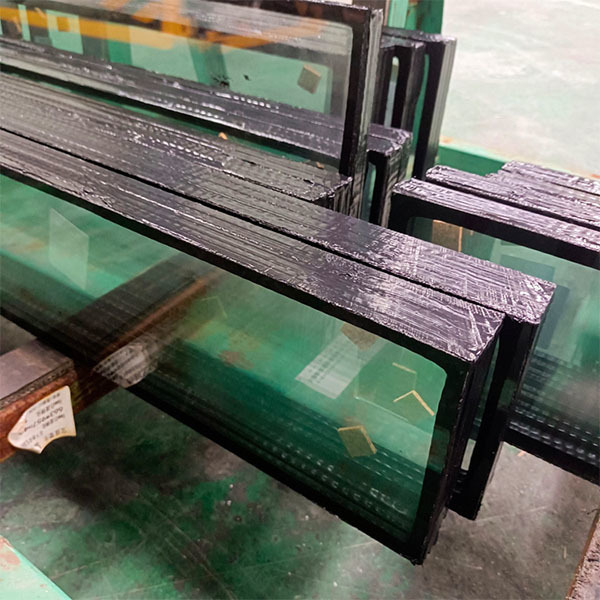
In a bustling urban environment, noise pollution can be a significant concern. Tinted glass can contribute to noise reduction, creating a more tranquil indoor environment. By using laminated or double-glazed tinted glass options, architects can further enhance sound insulation, providing a serene atmosphere within the building.
Types of Tinted Glass Available
There are several types of tinted glass available on the market today, each with unique characteristics and benefits. Some popular types include:
- Bronze Tinted Glass: Offers a warm hue that reduces glare and blocks light.
- Grey Tinted Glass: Provides a neutral tone, ideal for modern designs.
- Blue Tinted Glass: Creates a cool aesthetic while minimizing solar heat gain.
- Green Tinted Glass: Enhances the natural look of landscaping and surrounding environments.
- Reflective Tinted Glass: Adds a mirrored finish, reflecting light and enhancing privacy.
Applications of Tinted Glass in Modern Architecture
Tinted glass is versatile and can be used in various applications, including:
- Office Buildings: Enhances energy efficiency and reduces glare for a comfortable working environment.
- Residential Buildings: Provides privacy and aesthetic appeal, making homes more inviting.
- Commercial Spaces: Attracts customers with visually appealing facades while maintaining energy efficiency.
- Skylights and Windows: Allows natural light while controlling heat gain and protecting against UV rays.
- Partitions: Offers stylish and functional separation of spaces without compromising light.
Tinted Glass and Sustainability
As the world moves toward more sustainable practices, tinted glass plays a crucial role in creating eco-friendly buildings. By enhancing energy efficiency and reducing the need for artificial lighting and heating, tinted glass contributes to lower energy consumption. Additionally, many tinted glass products are made with sustainable materials and can be recycled at the end of their lifecycle. This aligns with the growing trend of sustainable architecture and design, making tinted glass an attractive choice for architects committed to environmental stewardship.
Installation and Maintenance of Tinted Glass
Installing tinted glass requires careful planning and expertise to ensure it meets the specific needs of a project. Working with experienced professionals is essential to achieve the best results. Regular maintenance of tinted glass is relatively simple; routine cleaning with mild soap and water is usually sufficient to keep it looking its best. It's important to avoid harsh chemicals or abrasive materials that could damage the glass surface.
Frequently Asked Questions
1. Is tinted glass as safe as clear glass?
Yes, tinted glass meets the same safety standards as clear glass. It is engineered to provide durability and safety while offering additional benefits like UV protection and glare reduction.
2. Can tinted glass be used in all types of buildings?
Tinted glass can be used in various types of buildings, including residential, commercial, and industrial structures. Its versatility makes it suitable for a wide range of architectural applications.
3. Does tinted glass require special maintenance?
Tinted glass is relatively low-maintenance. Regular cleaning with mild soap and water is recommended, and avoiding harsh cleaners will help preserve the tint.
4. What are the energy savings associated with tinted glass?
The energy savings can vary depending on the type of tinted glass used and the building's design. However, many buildings report significant reductions in cooling costs when tinted glass is incorporated.
5. Can tinted glass be customized for specific projects?
Yes! Tinted glass comes in various colors and finishes, and it can often be customized to meet specific design requirements, making it a flexible choice for architects.
Conclusion
Incorporating tinted glass into architectural designs offers numerous benefits, from enhancing energy efficiency and aesthetic appeal to providing UV protection and increased privacy. As architects continue to seek innovative solutions for modern buildings, tinted glass stands out as a versatile and sustainable option. By understanding the various types and applications of tinted glass, designers can transform spaces, making them not only visually stunning but also functional and environmentally friendly. The future of architecture shines brightly with the inclusion of tinted glass, paving the way for more energy-efficient, beautiful, and sustainable structures.

CONTACT US
We Ensure Strict Quality Inspection For Every Shipment, Guaranteeing Products That Meet The Highest Industry Standards.
Tel
Address
West of Jiushan Top Road and south of Lanhe Street, Jingjin Zhouhe Science and Technology Industrial Park, Jizhou District, Tianjin City (10 meters away from Lanhe Street)
GET MORE PRODUCTS
We will get in touch with you as soon as possible.
Copyright ©
Tel:
E-mail:
WhatsApp:
启用全局默认滚动动画 (向上滚动)
图片alt标题设置: TianJin XSH Glass Co., Ltd
表单验证提示文本: Content cannot be empty!
循环体没有内容时: Sorry,no matching items were found.
CSS / JS 文件放置地