The Advantages of Vacuum Glass in Modern Architecture
Release Time:
2025-11-14
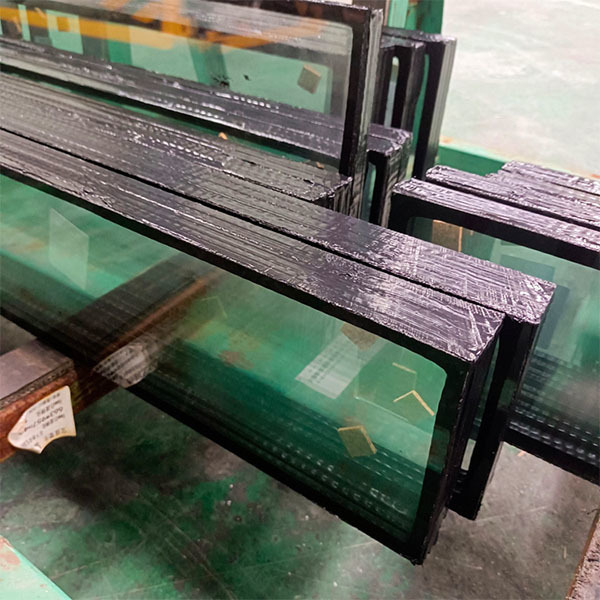
Vacuum glass, a remarkable advancement in architectural materials, has gained considerable attention for its unique properties that significantly enhance the performance of buildings. This type of glass features a double-pane structure with a vacuum layer between the panes, which minimizes heat transfer and provides exceptional thermal insulation. As energy efficiency becomes increasingly importan
One of the primary advantages of vacuum glass is its outstanding thermal insulation capabilities. With a thermal conductivity that is considerably lower than that of traditional insulating glass units, vacuum glass can help maintain indoor temperatures, reduce heating and cooling costs, and improve overall energy efficiency. This is particularly beneficial in regions with extreme weather conditions, where temperature fluctuations can put a strain on energy resources.
Additionally, the lightweight nature of vacuum glass makes it an attractive option for architects and builders. This material can reduce the overall weight of a building's façade, allowing for more innovative designs and lighter structural supports. This is especially relevant in high-rise buildings, where every kilogram saved can lead to significant savings in both material and structural costs.
Moreover, vacuum glass provides excellent sound insulation properties. The vacuum between the panes effectively minimizes sound transmission, making it an ideal choice for buildings located in noisy environments, such as urban areas or near busy roadways. This feature contributes to a more comfortable indoor environment, enhancing the quality of life for occupants.
Another critical aspect of vacuum glass is its durability and longevity. Unlike conventional insulating glass, which can suffer from seal failure over time, vacuum glass remains effective for extended periods, reducing maintenance costs and the need for replacements. This durability makes it a wise investment for both residential and commercial buildings.
In terms of applications, vacuum glass can be utilized in various settings. It is suitable for windows, skylights, curtain walls, and even in insulating panels for doors. Its versatility allows architects and designers to incorporate vacuum glass into diverse architectural styles, from modern to traditional.
In conclusion, vacuum glass represents a significant innovation in the realm of construction and architectural materials. Its superior thermal insulation, lightweight design, soundproofing capabilities, and durability make it an ideal choice for contemporary building projects focused on energy efficiency and sustainability. As the demand for eco-friendly construction materials continues to grow, vacuum glass is set to play an increasingly vital role in shaping the future of architecture.

CONTACT US
We Ensure Strict Quality Inspection For Every Shipment, Guaranteeing Products That Meet The Highest Industry Standards.
Tel
Address
West of Jiushan Top Road and south of Lanhe Street, Jingjin Zhouhe Science and Technology Industrial Park, Jizhou District, Tianjin City (10 meters away from Lanhe Street)
GET MORE PRODUCTS
We will get in touch with you as soon as possible.
Copyright ©
Tel:
E-mail:
WhatsApp:
启用全局默认滚动动画 (向上滚动)
图片alt标题设置: TianJin XSH Glass Co., Ltd
表单验证提示文本: Content cannot be empty!
循环体没有内容时: Sorry,no matching items were found.
CSS / JS 文件放置地