
Transforming Spaces: The Benefits of Using Vacuum Glass in Modern Architecture
Release Time:
2025-11-05
Transforming Spaces: The Benefits of Using Vacuum Glass in Modern Architecture Table of Contents Introduction to Vacuum Glass What is Vacuum Glass? Advantages of Vacuum Glass in Architecture Energy Efficiency Sound Insulation Performance Aesthetic Appeal Sustainability and Environmental Impact Applications of V
Transforming Spaces: The Benefits of Using Vacuum Glass in Modern Architecture
Table of Contents
- Introduction to Vacuum Glass
- What is Vacuum Glass?
- Advantages of Vacuum Glass in Architecture
- Energy Efficiency
- Sound Insulation Performance
- Aesthetic Appeal
- Sustainability and Environmental Impact
- Applications of Vacuum Glass in Modern Design
- Case Studies: Vacuum Glass in Action
- The Installation Process of Vacuum Glass
- The Future of Vacuum Glass in Architecture
- FAQs about Vacuum Glass
- Conclusion: Embracing the Future with Vacuum Glass
Introduction to Vacuum Glass
In the dynamic world of architecture, materials play a crucial role in shaping the future of buildings. With a growing emphasis on sustainability and energy efficiency, **vacuum glass** has emerged as a revolutionary solution. This article delves into the remarkable attributes of vacuum glass, examining its benefits, applications, and potential to transform spaces in modern architecture.
What is Vacuum Glass?
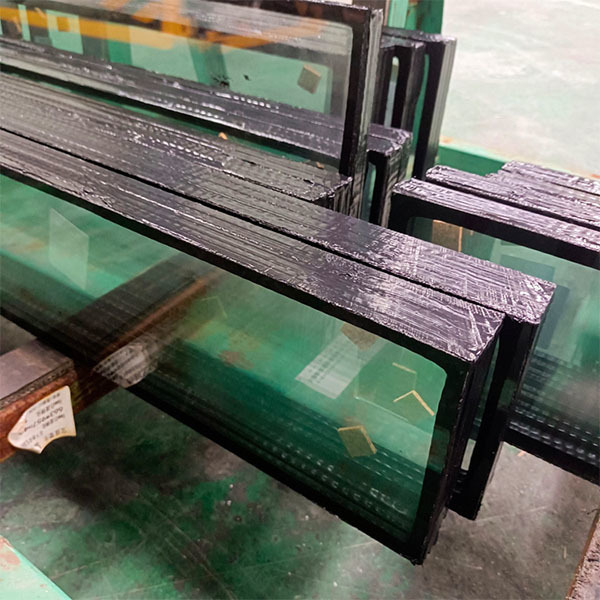
Vacuum glass consists of two or more glass panes separated by a vacuum. The absence of air between the panes drastically reduces heat transfer, making it a highly efficient insulator. This technology not only enhances thermal performance but also allows for thinner profiles, resulting in a sleek and modern aesthetic.
Advantages of Vacuum Glass in Architecture
Vacuum glass offers numerous advantages that make it a preferred choice for architects and builders.
Energy Efficiency
Energy efficiency is a paramount concern in contemporary architecture. Vacuum glass boasts an exceptional insulation value, significantly reducing the need for heating and cooling. This leads to lower energy bills and a reduced carbon footprint. By implementing vacuum glass, buildings can maintain comfortable temperatures year-round, contributing to the overall sustainability of the environment.
Sound Insulation Performance
Another compelling benefit of vacuum glass is its superior sound insulation properties. The vacuum layer effectively minimizes sound transmission, making it an ideal choice for urban environments or spaces where noise reduction is crucial, such as offices, schools, and hospitals.
Aesthetic Appeal
In addition to functional advantages, vacuum glass enhances the aesthetic appeal of buildings. Its slimmer profile allows for larger glass areas without compromising structural integrity, enabling architects to design open and airy spaces filled with natural light. Furthermore, vacuum glass can be finished in various ways, catering to diverse architectural styles.
Sustainability and Environmental Impact
Sustainability is at the forefront of modern architecture, and vacuum glass aligns perfectly with this ethos. The reduced energy consumption translates to lower greenhouse gas emissions. Additionally, the longevity of vacuum glass reduces the need for frequent replacements, further minimizing waste. Choosing vacuum glass not only benefits the building occupants but also contributes to a healthier planet.
Applications of Vacuum Glass in Modern Design
The versatility of vacuum glass makes it suitable for a wide range of applications, including:
Residential Buildings
In homes, vacuum glass can be used for windows, sliding doors, and even skylights. Its energy-efficient properties ensure comfortable living environments while minimizing energy costs.
Commercial Spaces
In commercial buildings, vacuum glass is increasingly used in storefronts and office partitions. The ability to create spacious, light-filled environments enhances both employee productivity and customer experience.
Architectural Features
Architects also utilize vacuum glass in unique architectural features, such as atriums and glass facades, allowing for innovative designs that captivate the eye while maintaining performance standards.
Case Studies: Vacuum Glass in Action
Numerous projects around the world have successfully implemented vacuum glass, demonstrating its effectiveness.
Case Study 1: The Edge, Amsterdam
The Edge, an office building in Amsterdam, incorporates vacuum glass to enhance energy efficiency. The building's innovative design utilizes large glass panels to maximize natural light while maintaining optimal thermal performance.
Case Study 2: The Shard, London
The Shard, an iconic skyscraper in London, features vacuum glass in its facade. This choice not only contributes to the building's striking appearance but also ensures comfort for its occupants through superior insulation.
The Installation Process of Vacuum Glass
Proper installation is critical to maximizing the benefits of vacuum glass. The process typically involves several key steps:
1. **Site Assessment**: Evaluating the building’s structure and design requirements.
2. **Customization**: Tailoring the vacuum glass to fit specific dimensions and performance criteria.
3. **Preparation**: Ensuring the installation area is clean and ready for the glass panels.
4. **Installation**: Carefully placing the vacuum glass panels using specialized tools to ensure a secure fit.
5. **Sealing and Finishing**: Applying appropriate seals and finishes to enhance durability and aesthetic appeal.
The Future of Vacuum Glass in Architecture
As technology continues to evolve, the future of vacuum glass looks promising. Innovations in manufacturing processes are expected to reduce costs and improve availability. Additionally, ongoing research into new applications and enhancements will further position vacuum glass as a leading material in modern architecture.
FAQs about Vacuum Glass
1. What is the primary benefit of vacuum glass?
The primary benefit of vacuum glass is its exceptional thermal insulation, which improves energy efficiency and comfort in buildings.
2. How does vacuum glass compare to traditional double-glazing?
Vacuum glass significantly outperforms traditional double-glazing in terms of insulation value while offering a thinner profile.
3. Is vacuum glass safe for residential use?
Yes, vacuum glass is designed to meet safety standards and can be used safely in residential settings.
4. Can vacuum glass be used in extreme weather conditions?
Absolutely. Vacuum glass is engineered to withstand various weather conditions, making it suitable for diverse climates.
5. What maintenance is required for vacuum glass?
Vacuum glass requires minimal maintenance, primarily regular cleaning, to maintain its aesthetic appeal and performance.
Conclusion: Embracing the Future with Vacuum Glass
Incorporating vacuum glass into modern architecture offers a multitude of benefits, ranging from improved energy efficiency and sound insulation to enhanced aesthetic appeal and sustainability. As we move towards a future focused on environmentally friendly solutions, vacuum glass stands out as an innovative material that can transform spaces while aligning with contemporary architectural needs. Embracing vacuum glass not only elevates design possibilities but also contributes to a more sustainable and efficient built environment.

CONTACT US
We Ensure Strict Quality Inspection For Every Shipment, Guaranteeing Products That Meet The Highest Industry Standards.
Tel
Address
West of Jiushan Top Road and south of Lanhe Street, Jingjin Zhouhe Science and Technology Industrial Park, Jizhou District, Tianjin City (10 meters away from Lanhe Street)
GET MORE PRODUCTS
We will get in touch with you as soon as possible.
Copyright ©
Tel:
E-mail:
WhatsApp:
启用全局默认滚动动画 (向上滚动)
图片alt标题设置: TianJin XSH Glass Co., Ltd
表单验证提示文本: Content cannot be empty!
循环体没有内容时: Sorry,no matching items were found.
CSS / JS 文件放置地