
Exploring the Benefits of Laminated Glass in Home Design: A Comprehensive Guide
Release Time:
2025-10-30
Exploring the Benefits of Laminated Glass in Home Design Table of Contents What is Laminated Glass? The Multifaceted Benefits of Laminated Glass Enhanced Safety and Security with Laminated Glass Energy Efficiency and Insulation Qualities of Laminated Glass Aesthetic Appeal: Design Versatility of Laminated Glass Sound Insulation: Creating Peaceful Living Environments Applications
Exploring the Benefits of Laminated Glass in Home Design
Table of Contents
- What is Laminated Glass?
- The Multifaceted Benefits of Laminated Glass
- Enhanced Safety and Security with Laminated Glass
- Energy Efficiency and Insulation Qualities of Laminated Glass
- Aesthetic Appeal: Design Versatility of Laminated Glass
- Sound Insulation: Creating Peaceful Living Environments
- Applications of Laminated Glass in Home Design
- Installation and Maintenance of Laminated Glass
- Frequently Asked Questions
- Conclusion
What is Laminated Glass?
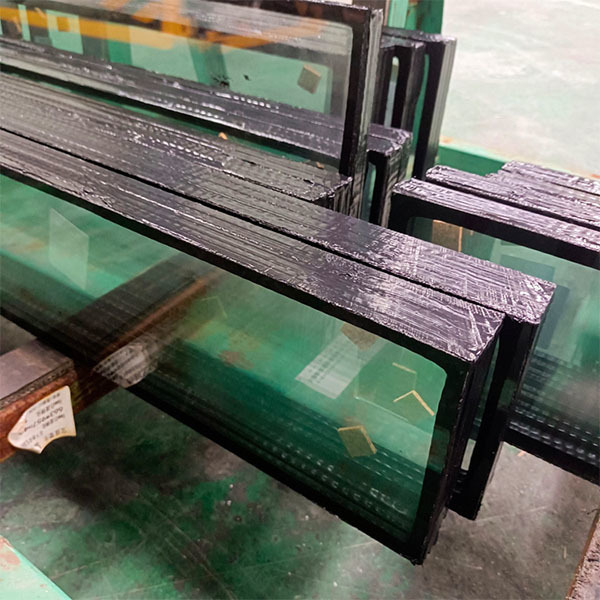
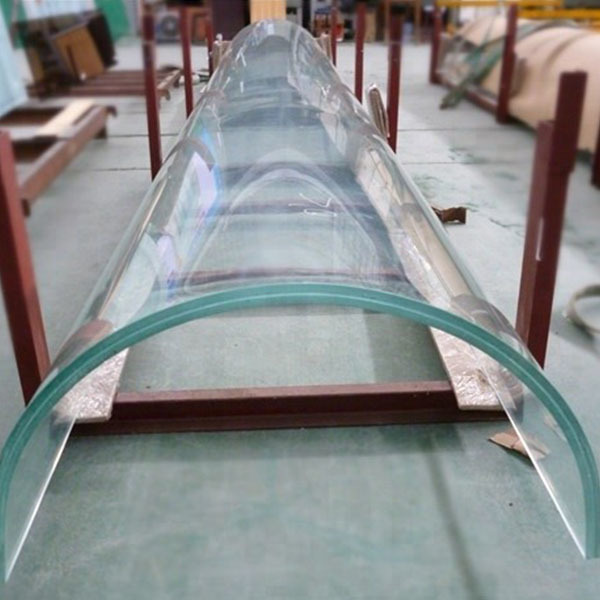
Laminated glass is an advanced type of safety glass made by sandwiching a layer of polyvinyl butyral (PVB) or ethylene-vinyl acetate (EVA) between two or more layers of glass. This unique construction not only enhances its strength but also imparts additional safety features compared to regular glass. When broken, laminated glass tends to crack but remains bonded to the PVB layer, making it an ideal choice for various applications in home design.
The Multifaceted Benefits of Laminated Glass
Incorporating laminated glass into home design comes with a plethora of benefits. From improving safety to enhancing energy efficiency, laminated glass proves to be an invaluable asset in modern architecture. Below, we explore its key advantages in detail.
Enhanced Safety and Security with Laminated Glass
One of the most significant benefits of laminated glass is its exceptional safety features. Due to its construction, the glass remains intact when shattered, reducing the risk of injuries from sharp shards. This characteristic makes laminated glass an excellent choice for homes with children or pets. Furthermore, the added security layer acts as a deterrent against break-ins, giving homeowners peace of mind. Modern burglars often target homes with traditional glass, knowing it’s easier to break. Laminated glass can significantly increase the time it takes for intruders to gain access, thereby discouraging them entirely.
Energy Efficiency and Insulation Qualities of Laminated Glass
Energy efficiency is a critical consideration in sustainable home design. Laminated glass offers superior insulation properties, helping to regulate indoor temperatures and reduce reliance on heating and cooling systems. This allows homeowners to save on energy bills while also minimizing their carbon footprint. The PVB layer in laminated glass provides additional thermal insulation, making it less susceptible to temperature fluctuations. By choosing laminated glass for windows and doors, homeowners can create a more comfortable living environment while enjoying substantial long-term savings.
Aesthetic Appeal: Design Versatility of Laminated Glass
Laminated glass is available in various colors, tints, and patterns, allowing homeowners to customize their spaces according to personal preferences and design themes. This versatility enables architects and designers to incorporate laminated glass into diverse architectural styles, from minimalist to contemporary. Whether used for large windows, glass railings, or room dividers, laminated glass adds a touch of elegance and modernity to any space. Its ability to allow natural light while providing privacy makes it an ideal choice for both interior and exterior applications.
Sound Insulation: Creating Peaceful Living Environments
In addition to its aesthetic qualities, laminated glass excels in sound insulation. The PVB interlayer effectively dampens sound waves, making it an ideal choice for homes located in noisy urban environments or near busy roads. By using laminated glass in windows and doors, homeowners can enjoy a quieter and more serene living space, free from the disturbances of the outside world. This soundproofing effect enhances the overall quality of life, particularly for those who value peace and tranquility in their homes.
Applications of Laminated Glass in Home Design
The versatility of laminated glass extends to numerous applications in home design. Below are some common uses that showcase its benefits:
Windows and Doors
Laminated glass is frequently used in windows and doors, providing safety, insulation, and aesthetic appeal. Its ability to withstand impact makes it an excellent choice for patio doors and large windows, enhancing both security and energy efficiency.
Skylights
Using laminated glass in skylights allows for maximum natural light while ensuring safety and energy efficiency. The interlayer prevents shattering, making it a preferred choice for overhead installations.
Glass Railings
Laminated glass railings offer safety without sacrificing views. They are ideal for balconies, staircases, and pool areas, combining aesthetic beauty with structural integrity.
Partitions and Room Dividers
In interior design, laminated glass partitions create an open feel while providing privacy. This application is popular in modern office spaces and homes, where separation is needed without closing off areas entirely.
Installation and Maintenance of Laminated Glass
To reap the full benefits of laminated glass, proper installation is crucial. It's recommended to enlist the expertise of professional installers familiar with laminated glass products. They can ensure that the glass is fitted correctly, maximizing its safety and performance attributes.
Maintenance of laminated glass is relatively simple. Regular cleaning with non-abrasive materials is recommended to avoid scratching the surface. Additionally, checking frames and seals periodically can help maintain insulation properties and prevent water ingress.
Frequently Asked Questions
1. Is laminated glass more expensive than regular glass?
While laminated glass typically costs more than standard glass due to its manufacturing process and enhanced features, the long-term benefits in safety, energy efficiency, and durability often outweigh the initial investment.
2. Can laminated glass be used in all climates?
Yes, laminated glass performs well in various climates. Its energy efficiency and insulation properties make it suitable for both hot and cold environments.
3. How does laminated glass compare to tempered glass?
While both laminated and tempered glass offer safety features, laminated glass provides superior sound insulation and remains intact when shattered, whereas tempered glass shatters into small, blunt pieces.
4. Can laminated glass be tinted or customized?
Absolutely! Laminated glass comes in various colors, tints, and patterns, allowing homeowners to customize their designs according to personal preferences.
5. Is laminated glass environmentally friendly?
Laminated glass contributes to energy efficiency and reduces waste due to its durability, making it a more sustainable choice compared to traditional glass options.
Conclusion
Incorporating laminated glass into home design offers a multitude of benefits that enhance safety, energy efficiency, aesthetics, and sound insulation. Its versatility allows for creative applications throughout a home, making it a preferred choice for modern architecture. As homeowners increasingly prioritize safety and sustainability, laminated glass stands out as a valuable investment. By choosing laminated glass, you not only elevate the design of your living space but also contribute to a safer, more energy-efficient, and aesthetically pleasing home.

CONTACT US
We Ensure Strict Quality Inspection For Every Shipment, Guaranteeing Products That Meet The Highest Industry Standards.
Tel
Address
West of Jiushan Top Road and south of Lanhe Street, Jingjin Zhouhe Science and Technology Industrial Park, Jizhou District, Tianjin City (10 meters away from Lanhe Street)
GET MORE PRODUCTS
We will get in touch with you as soon as possible.
Copyright ©
Tel:
E-mail:
WhatsApp:
启用全局默认滚动动画 (向上滚动)
图片alt标题设置: TianJin XSH Glass Co., Ltd
表单验证提示文本: Content cannot be empty!
循环体没有内容时: Sorry,no matching items were found.
CSS / JS 文件放置地