Understanding Coated Glass: Enhancing Architectural Aesthetics and Performance
Release Time:
2025-12-18
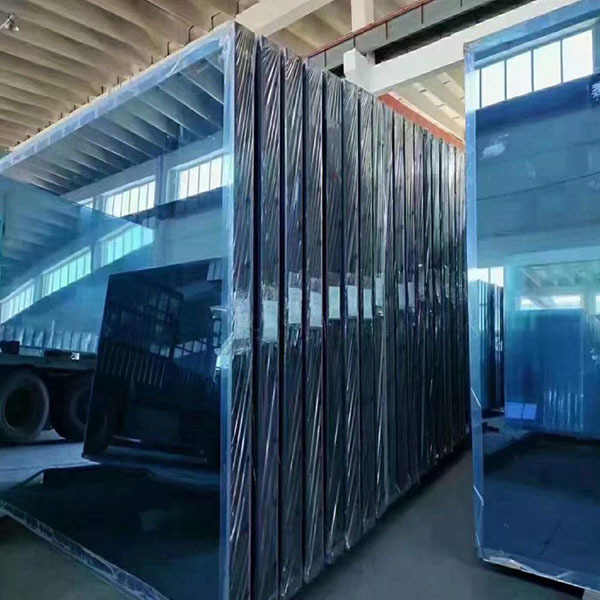
Coated glass is an innovative building material that has gained significant traction in the architectural and construction industries. Designed to enhance both functionality and aesthetic appeal, coated glass is created by applying a thin layer of a specific material onto the surface of the glass. This process not only alters the glass's optical properties but also elevates its performance charact
One of the most notable benefits of coated glass is its ability to improve energy efficiency. By reflecting or absorbing certain wavelengths of sunlight, coated glass can significantly reduce the amount of heat that enters a building. This leads to lower energy consumption for cooling systems, making buildings more sustainable and cost-effective over time. In regions with extreme climates, the use of coated glass can provide essential thermal insulation, helping maintain comfortable indoor environments regardless of external conditions.
In addition to energy efficiency, coated glass also offers improved glare reduction and UV protection. Buildings with large glass facades can often suffer from excessive sunlight, which can create uncomfortable glare for occupants and damage interior furnishings. Coatings that reduce glare can enhance the comfort of individuals inside the building while simultaneously protecting valuable assets from the harmful effects of UV radiation.
Aesthetically, coated glass opens up a world of design possibilities. It can be customized in terms of color, reflectivity, and texture, allowing architects and designers to achieve their desired visual effects. Whether it’s a sleek, modern look or a more traditional appearance, coated glass can be tailored to complement the overall architectural style of a building. Additionally, the coatings can be engineered to provide various finishes, such as frosted or tinted, enabling further customization.
Another advantage of coated glass is its durability and ease of maintenance. The coatings are often designed to withstand harsh environmental conditions, including extreme temperatures and adverse weather. This durability not only extends the lifespan of the glass but also reduces the frequency and cost of maintenance, making it a practical choice for high-rise buildings and other structures.
Moreover, coated glass contributes to the sustainability of construction projects. By incorporating energy-efficient materials, such as coated glass, architects and builders can aim for certifications like LEED (Leadership in Energy and Environmental Design). This commitment to sustainability not only benefits the environment but also enhances the marketability of the property.
In conclusion, coated glass is a multifaceted material that plays a crucial role in contemporary architecture. With its ability to enhance energy efficiency, aesthetic appeal, and durability, it offers a range of benefits for both builders and occupants. As the demand for sustainable and visually appealing construction continues to grow, coated glass stands out as a valuable and innovative solution in the building materials industry.


CONTACT US
We Ensure Strict Quality Inspection For Every Shipment, Guaranteeing Products That Meet The Highest Industry Standards.
Tel
Address
West of Jiushan Top Road and south of Lanhe Street, Jingjin Zhouhe Science and Technology Industrial Park, Jizhou District, Tianjin City (10 meters away from Lanhe Street)
GET MORE PRODUCTS
We will get in touch with you as soon as possible.
Copyright ©
Tel:
E-mail:
WhatsApp:
启用全局默认滚动动画 (向上滚动)
图片alt标题设置: TianJin XSH Glass Co., Ltd
表单验证提示文本: Content cannot be empty!
循环体没有内容时: Sorry,no matching items were found.
CSS / JS 文件放置地